
Amid a general slowdown in industrial output, especially manufacturing (which we discussed last week), Russia’s federal statistics agency Rosstat unexpectedly reported a sharp rise in production and manufacturing, including military-related industries, in October. A slight increase in corporate lending does not seem to explain the surge.
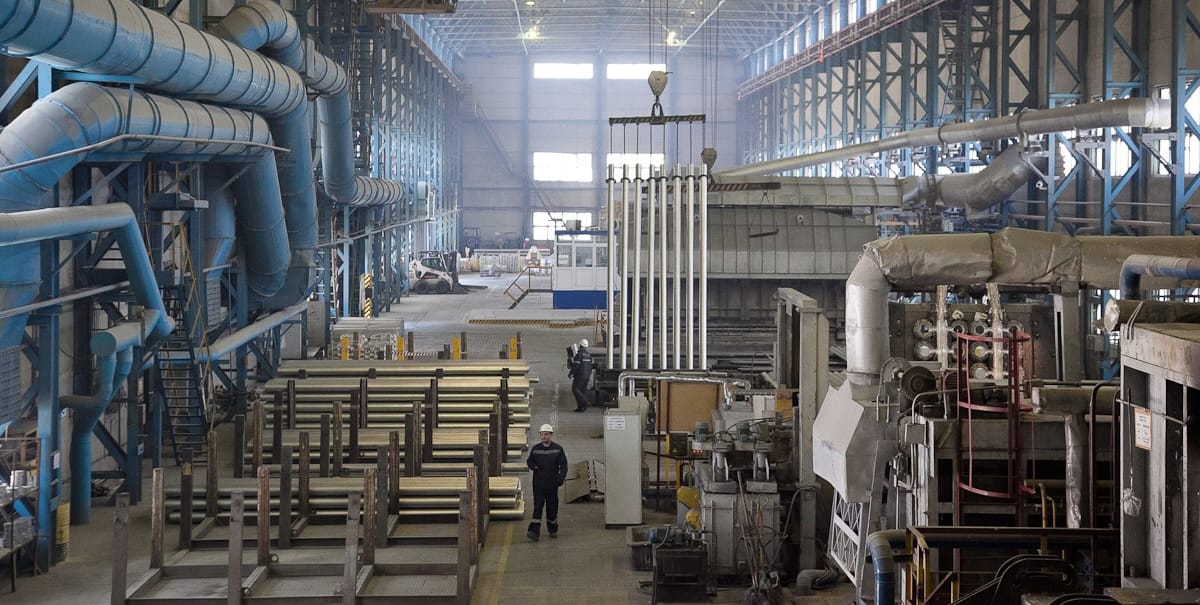
- According to Rosstat, industrial production was 10.7% higher in October than in September and 3.1% higher than a year earlier. Despite some growth in mineral extraction, the most significant increases were in the manufacturing sector, where annual growth was 4.5%, the highest level since January.
- The driver was military-related production. The biggest rise by category was recorded in “other transport and equipment”, which includes aviation and drones (up 41% year-on-year), pharmaceuticals and materials (+20.3%) and the manufacture of “finished metal items apart from vehicles and equipment”, which includes weapons and ammunition (+19.4%). These three sectors have been leaders for some time and are the only areas where growth exceeded a few percent. More recently, however, even these sectors have been noticeably slowing.
- As usual, other sectors showed little or no growth in October, though in some categories there was a visible increase in production that can be linked to the defense industry.
Why the world should care
There’s nothing new about a slowdown or decline in production in the Russian economy. What is new is the unexpected surge in military-related industries, where growth has flatlined in recent months. There is no definitive explanation for this phenomenon; we cannot say whether this is a one-off, or whether Russia’s military-industrial complex has found a second wind.
The growth could be due to a quirk in the accounting system. For instance, if military production volumes are fixed only when a product is accepted as delivered, not as soon as it leaves the factory. In such a situation, the growth could come from the delayed acceptance of products that had to be amended or repaired but were mostly produced in previous months. This might become clear in the November report. If any of The Bell’s subscribers have any ideas, let us know!