Grey Divorce in Kashmir: When Lifelong Marriages Break
By Dr. Fiaz Maqbool Fazili
Kashmiris have long believed that marriages are made in heaven. But behind many doors, they are silently falling apart.
The official divorce rate in the valley is low, but it masks a deeper reality.
Couples often avoid legal separation because of stigma, complicated procedures, and social pressure.
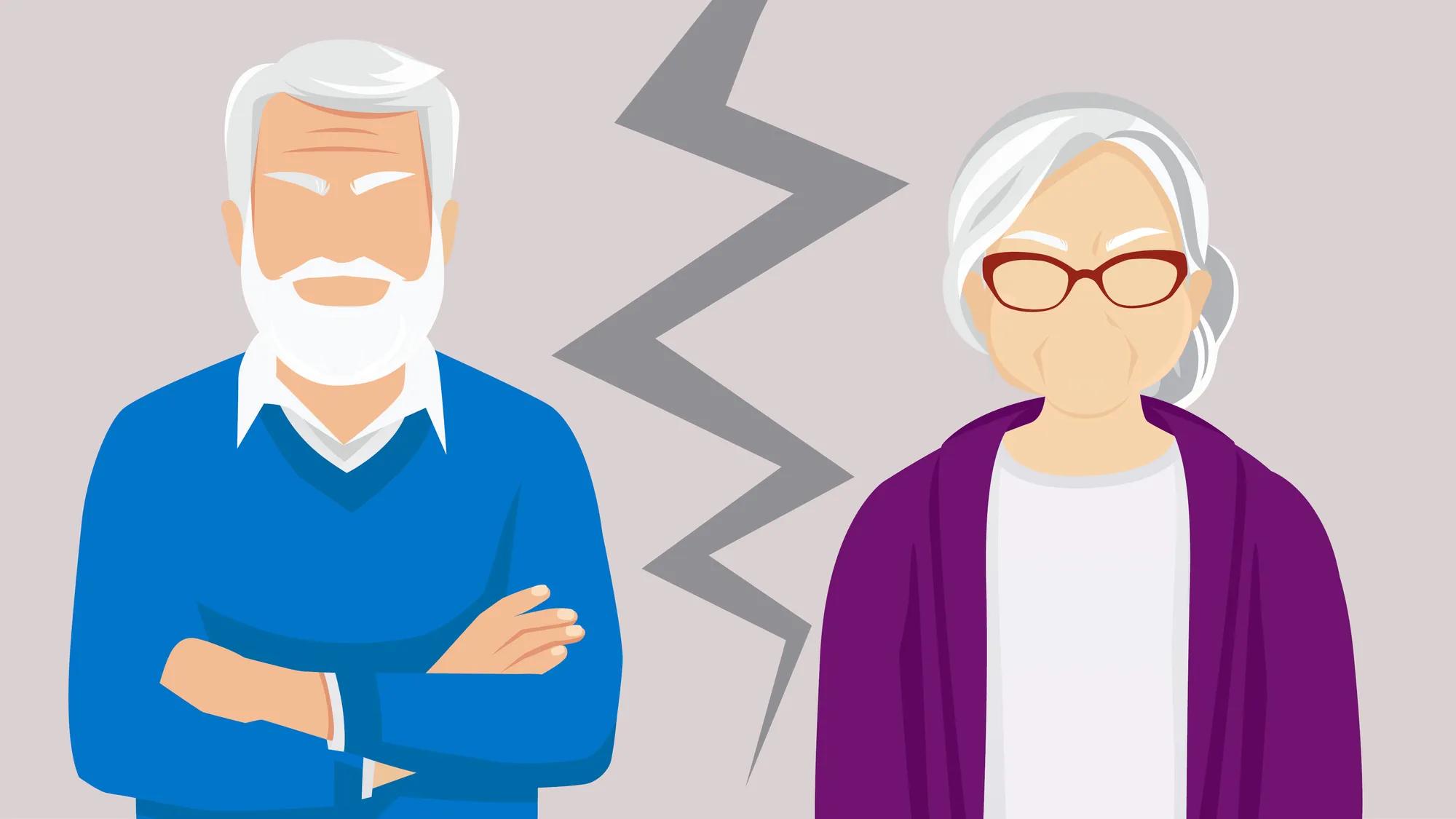
Beneath the surface, marriages are under strain. This is most visible in “grey divorce,” when couples over fifty choose to separate after decades together.
Grey divorce was once unimaginable in a culture that treats marriage as sacred. Today, it is becoming more common.
Some older couples take legal steps to separate. Others stay under the same roof while living very different lives.
They sleep in separate rooms, speak only when necessary, and raise children in homes filled with silence, tension, and old resentments. The emotional toll of this cold war is heavy.
But why is this happening?
Part of it comes from global influence. In many countries, grey divorce has risen over the last thirty years, driven by longer life, changing gender roles, and a focus on personal happiness.
Ideas travel fast, and Kashmir has felt these winds of change.
Education, migration, media, and diaspora connections are changing what people expect from marriage. People are asking themselves: what should a lifelong partnership give me, and what am I willing to endure?
Local changes play a big role too.
Kashmir has shifted from joint families, where elders helped solve disputes and family life softened tensions, to smaller nuclear households that offer privacy but little emotional support.
In my grandparents’ house in Zaina Kadal, nearly thirty family members lived together. Meals, celebrations, arguments, and reconciliations were shared. That communal life helped couples handle the rough patches of marriage.
Today, smaller homes leave couples to deal with problems on their own. Courts, counseling centers, and religious arbitration bodies are seeing older couples seeking help in numbers unheard of two decades ago. Living with emotional distance has become increasingly difficult.
Divorce no longer carries the same weight of shame it once did. For years, ending a marriage, especially for women, was seen as disgraceful, and staying silent and enduring was expected.
Now, with wider exposure to the world, urban life, and shifting values, that pressure has eased. Couples can choose dignity instead of simply enduring.
The “empty nest” phase exposes more cracks.
Children often held marriages together. When they leave the valley for studies or work, buried differences surface. Couples realize they share history, rather than closeness.
Shifting gender roles are also changing marriages. Today, Kashmiri women are more educated, employed, and financially independent than ever. This gives them the freedom to set boundaries and refuse neglect or disrespect.
Divorce no longer feels like the end of the world, because people now prioritize their emotional happiness.
Companionship, respect, and shared purpose matter. When these are missing, even at fifty or sixty, people choose self-respect over silent suffering.
Mental health struggles make relationships even harder. Economic pressures, rising costs, and social comparisons add weight, often unnoticed until relationships crack.
Despite growing marital instability, the divorce numbers aren’t alarming in the valley. Many couples live in silent estrangement. Still, the trend is clear: marriages in Kashmir are under strain, and silence is breaking.
So, what can help?
Marriage cannot survive through fear, stigma, or endurance alone. It needs communication, respect, emotional maturity, and shared purpose.
Talking about struggles must be normal. Counseling should be accessible and encouraged. Community and religious institutions can support emotional well-being.
Premarital education, emotional literacy, and financial awareness should be part of social learning. Ethical and spiritual teachings can guide couples today, offering patience, empathy, and forgiveness without enforcing old rigid rules.
We must also accept that sometimes divorce is the healthiest choice. Separation, when necessary, should be handled with grace. The goal is not to save every marriage, but to preserve human integrity.
Grey divorce shows how much has changed in Kashmir: joint families have given way to nuclear homes, silence has turned to speaking up, and stigma has softened.
The choice is clear: let marriages silently fall apart or create a culture of openness, respect, and care.
Marriage, when cared for, can remain one of life’s strongest bonds. Its strength comes from balancing compromise with self-respect.
If Kashmir wants future generations to thrive emotionally, it must find this balance again.
- The author is a Senior Consultant Surgeon and columnist based in Kashmir. He can be reached at rfiazfazili@gmail.com