The new strategy has gaps. But ministers have shown that they are serious and capable of listening
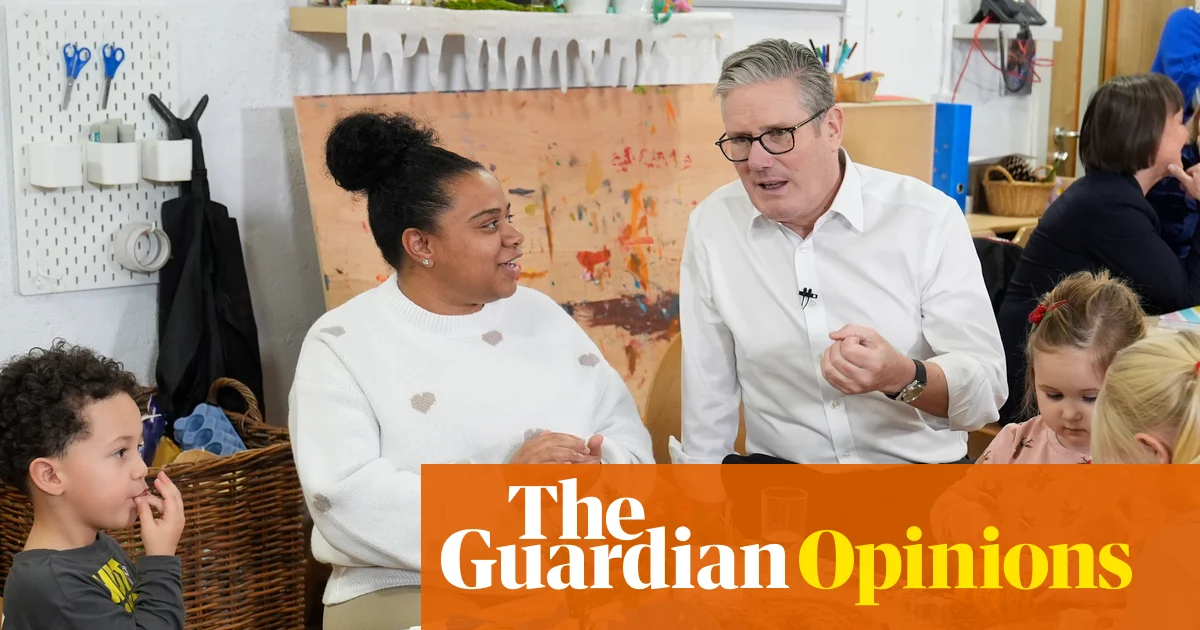
If the government’s long-awaited child poverty strategy, launched on Friday, was a bit of a damp squib, that is because the best bit had been absorbed by the chancellor, Rachel Reeves, in last month’s budget. The decision to remove the two-child limit, which prevented parents from claiming child-linked benefits for third or subsequent children, is expected to lift 550,000 children out of poverty by the end of this parliament. It is the best welfare decision taken by Labour since they were elected. Ms Reeves was correct to press the point that “potential suffocated by limited life chances” is a blight on society as well as on those who experience it directly.
No wonder that Labour ministers and MPs have sounded confident when talking about it. The Conservative decision to make larger families poorer was unjustifiable and damaging. Stories of children lacking the basics of sufficient food and secure housing have become shamefully common. With a record 4.5 million children in the UK in poverty, and 2 million in “deep material poverty” – in households that cannot afford the essentials of life – action was overdue. The Scottish government has already introduced new child payments, putting incomes there on a different trajectory.